Good craft packaging does two jobs at once: it protects a handmade object through the postal system, and it delivers the studio's story the moment the lid comes off. Small studios solve both with corrugated board, tissue and a wax seal, usually choosing double-wall card — built from two linings and a corrugated medium, around five to seven millimetres thick — for anything fragile. Every one of those choices is design, and every one of them was tested by posting parcels to patient friends.
What must craft packaging actually survive?
The postal system is gentler than folklore suggests and rougher than makers hope. Parcels are sorted by machine, stacked under other parcels, slid down chutes and loaded in waves, and the classic failure points are known to every maker: corners crushed by clamping, items migrating inside roomy boxes, and the slow abrasion of loose tissue against a matte glaze. The working assumptions are simple — plan for a drop from waist height, plan for the parcel to travel heavy-side-down regardless of the arrows, and plan for rain. Packaging that cannot meet those three conditions is decoration, not protection.
How is the structure chosen?
Structure comes before surface. Ceramics and glass travel in double-wall boxes with the object suspended away from every wall, usually by corrugated inserts, moulded pulp cradles or a firm nest of shredded paper; the aim is that the box can dent without the object feeling it. Textiles and prints fare better in rigid mailers or postal tubes, where the enemy is creasing rather than impact. Jewellery favours small boxes within boxes, so the delicate object never touches the shipping carton. One-piece mailer boxes, folding flat until needed, have become the small-studio standard because they store cheaply, assemble in seconds and close without glue. A useful rule from the trade: if the object can move, it will move, so pack for the movement you cannot prevent.
What materials do small studios favour now?
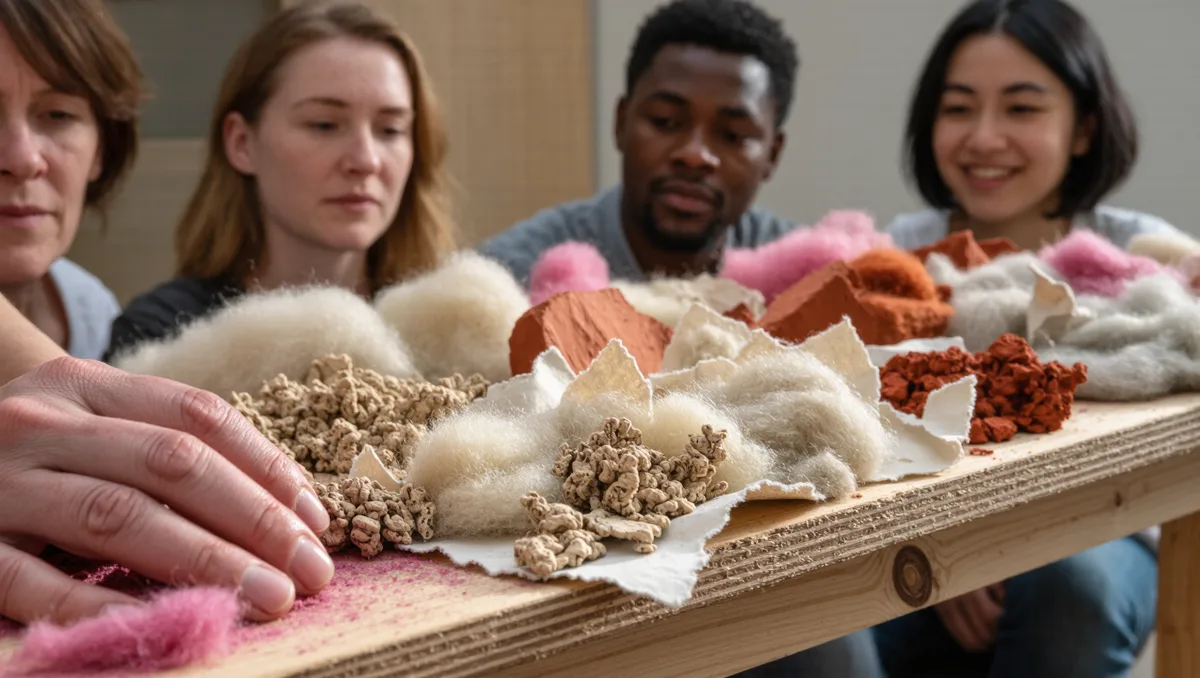
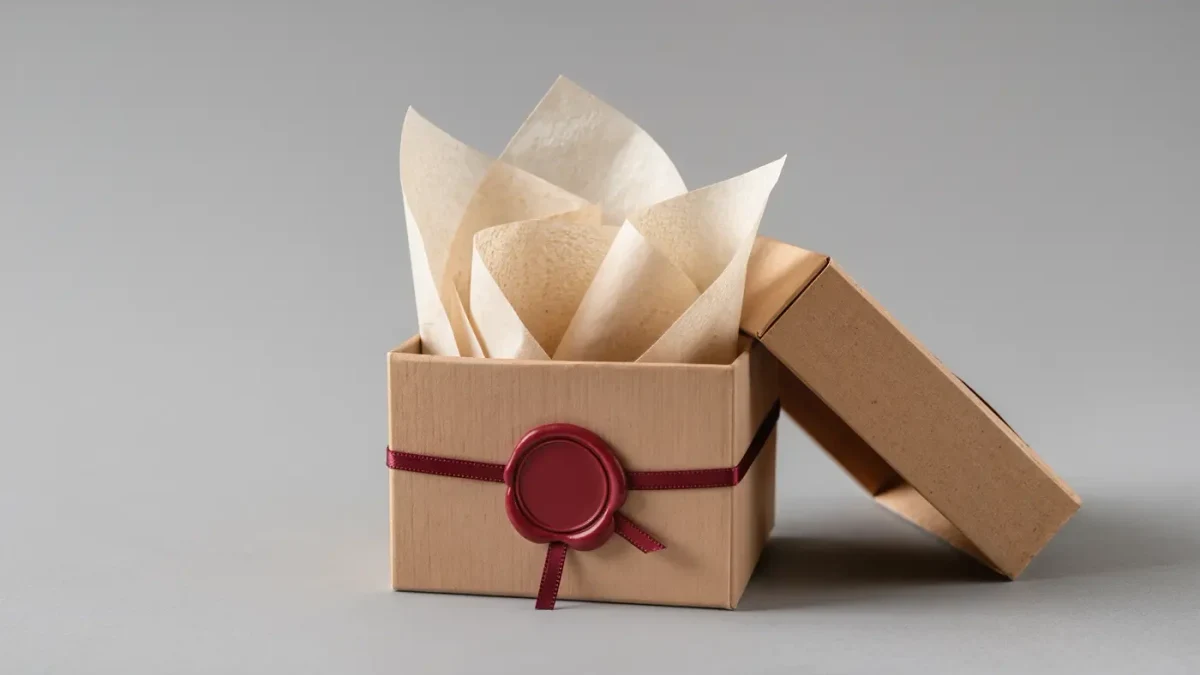
The palette has shifted decisively towards paper. Kraft outer boxes, recycled board, paper gummed tape that bonds permanently to the carton, thin acid-free tissue for wrapping, and shredded or corrugated paper in place of plastic bubble wrap — a full paper parcel can go into home composting, which customers notice and mention. Sealing wax has returned from wedding stationery to craft packaging, pressed over ribbon or a paper band, partly for beauty and partly because a broken seal is honest evidence of tampering. None of these choices is merely aesthetic; each replaces a plastic component doing the same job, which is why sustainability claims from small studios tend to be concrete rather than vague.
How does packaging design tell the studio's story?
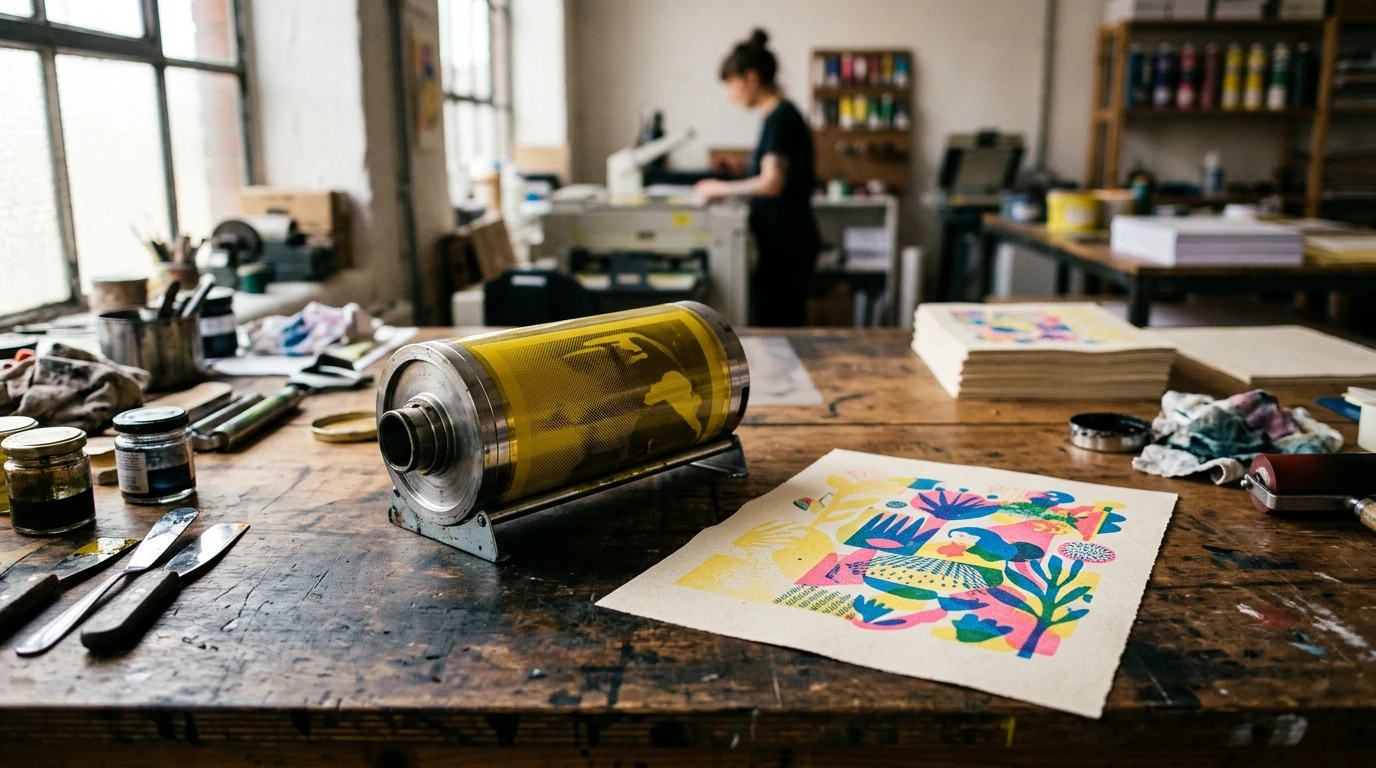
Through sequence. The unboxing of a craft parcel is a short piece of theatre with a fixed order — tape, lid, tissue, seal, object, card — and designers choreograph it. Printed inside lids reveal a pattern the moment of opening; stickers seal the tissue instead of plastic tape; a small card carries care instructions, the maker's name and, where it matters, the story of how the object was made. Typography on the outer box is kept bold and minimal because labels must be scannable and addresses must stay legible in the wet. The discipline of printing only a short run — often just a few hundred boxes at a time, digitally printed — keeps studios honest: whatever goes on the parcel must be worth repeating on the next batch.
What must legally appear on craft packaging?
Less than most makers fear, more than none. A business address or contact route should appear for returns. Products sold by weight need accurate weights, and textiles sold in Britain must carry fibre content labelling under the regulations that govern such descriptions, while cosmetics and food carry their own fuller requirements. Good studios treat the legally required panel as a design element from the start rather than a stamp added at the end, setting it small and clean on the base or the reverse — an old habit of trade packaging, whose printed boxes and tins survive in museum and library collections; historic trade catalogues in the Library of Congress collections show generations of makers solving the same balance of legality and charm.
How do studios test before scaling up?
By post, repeatedly. The standard routine is to pack three identical parcels exactly as production intends, address them to willing friends across the country, ask each recipient to photograph the state of everything, and repeat until nothing shifts, scuffs or splits. Only then does a studio commit to a print run of boxes. Makers also order sample packs from box makers before committing, checking how boards, tissue and tape behave together in real conditions — December rain included.
Why does the parcel matter as much as the object?
Because for online craft sales the parcel is the shop. A customer who has only seen photographs meets the studio for the first time when the box arrives, and the evidence of care — the right board, the suspended insert, the wax seal over tissue — is read instantly as evidence of care about the object itself. Small studios cannot compete on logistics with large retailers, so they compete on this instead, and win. The best craft packaging is simply the object's argument, made in cardboard: that someone here makes things properly, and wants you to feel it from the first cut of the tape.