
Art News
Britain's £90,000 VAT Threshold Draws a Line for Growing Craft Businesses
The rule that decides when a maker's turnover tips them from hobbyist into VAT-registered trader, and what the deadlines actually require.
Money in making: material cost per piece, pricing formulas that survive scrutiny, stall fees, platform commissions, packaging and shipping losses, tax basics and the point where a hobby covers itself. Figures come from working makers. For anyone selling craft or illustration work.
The rule that decides when a maker's turnover tips them from hobbyist into VAT-registered trader, and what the deadlines actually require.
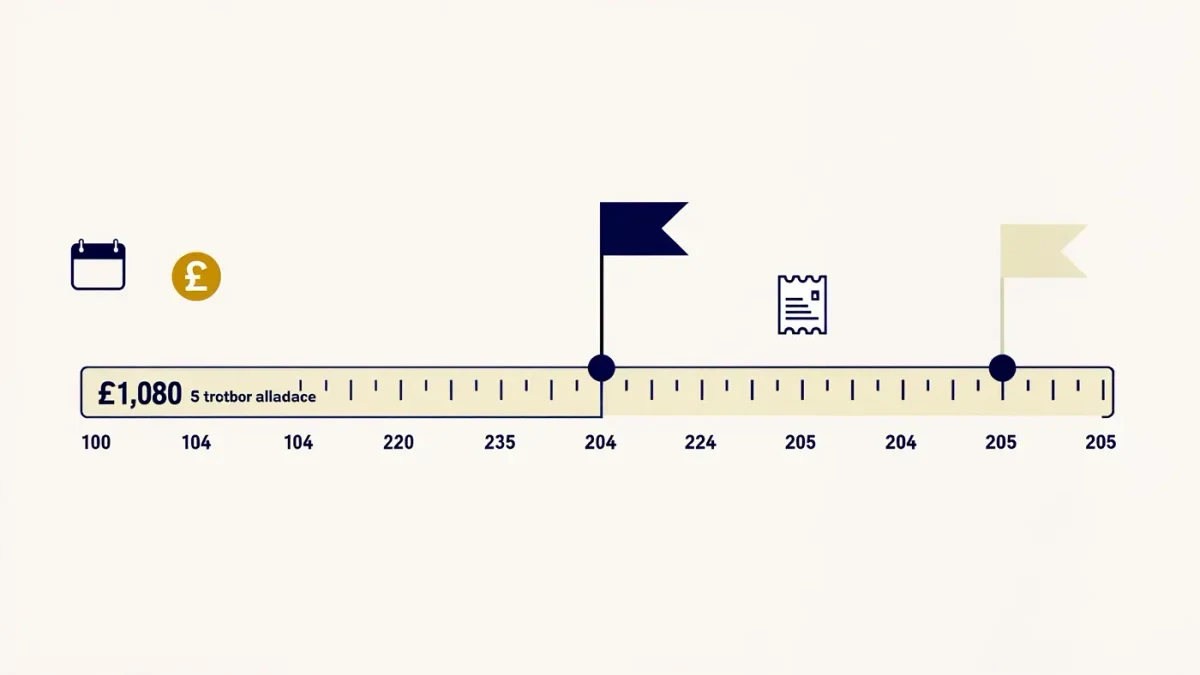
The £1,000 trading allowance, the October registration deadline and the records that save an evening of panic — a plain-language map of the moment making starts counting as trading.

Plymouth's museum, gallery and archive took the £120,000 prize at a ceremony aboard the Cutty Sark, seeing off a shortlist that included the National Gallery and the Fitzwilliam.

A limited edition is a promise printed in pencil — the numbers on the left, the edition size on the right, and a price ladder that only works if both stay honest.
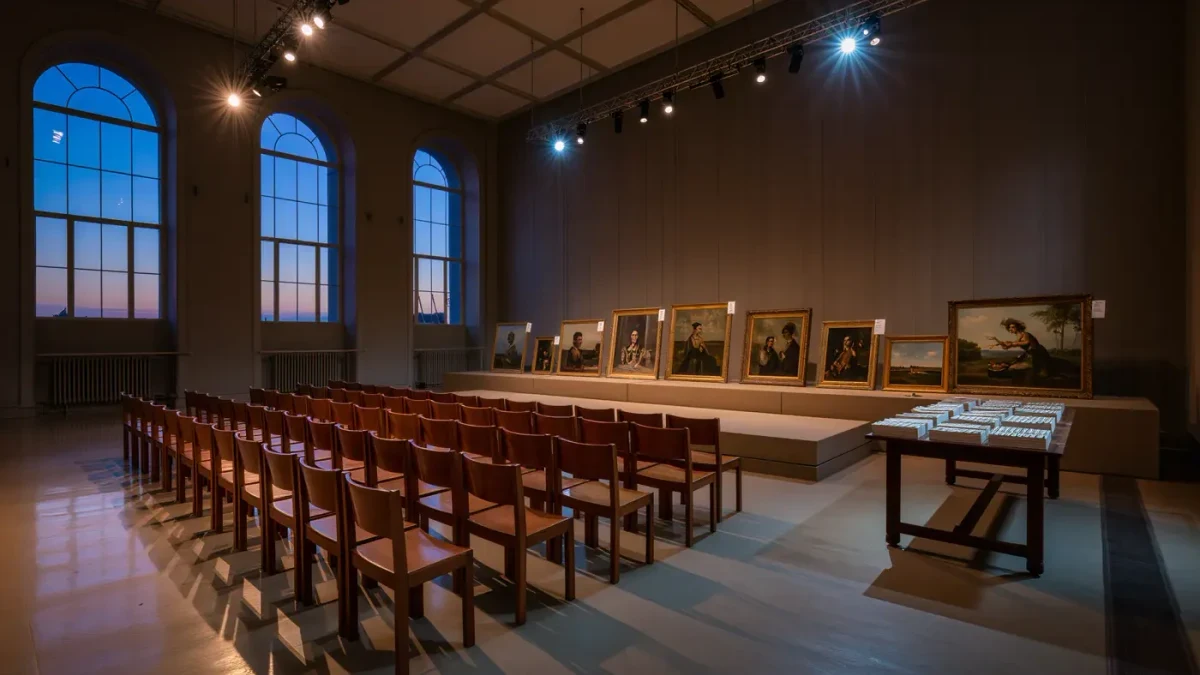
When a painting resells at auction in the UK, a slice of the hammer price legally belongs to the artist — here is how droit de suite works, who pays and what sellers must do.
The Turner Prize winner Lubaina Himid CBE is representing Britain at the 2026 Venice Art Biennale, filling the British Council's pavilion in the Giardini with work the first reviews call uncomfortable and tender at once.
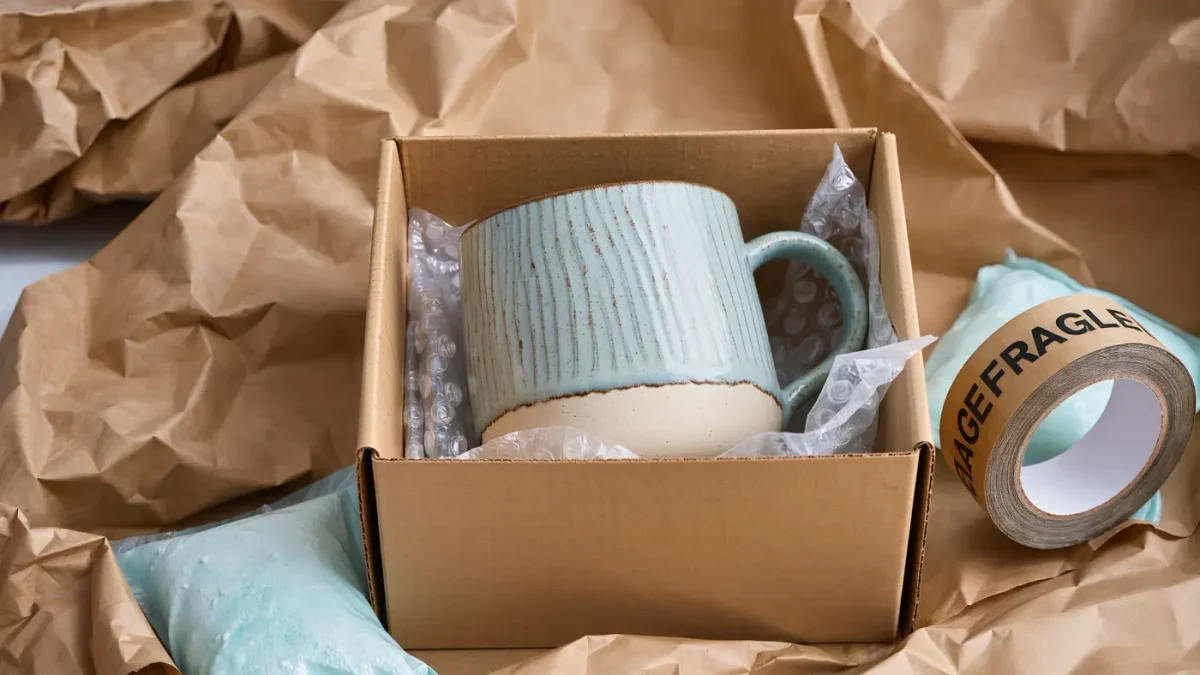
Breakage is a pricing problem before it is a packing problem: double-boxing, rigid protection for works on paper and honest compensation cover keep handmade parcels arriving whole.
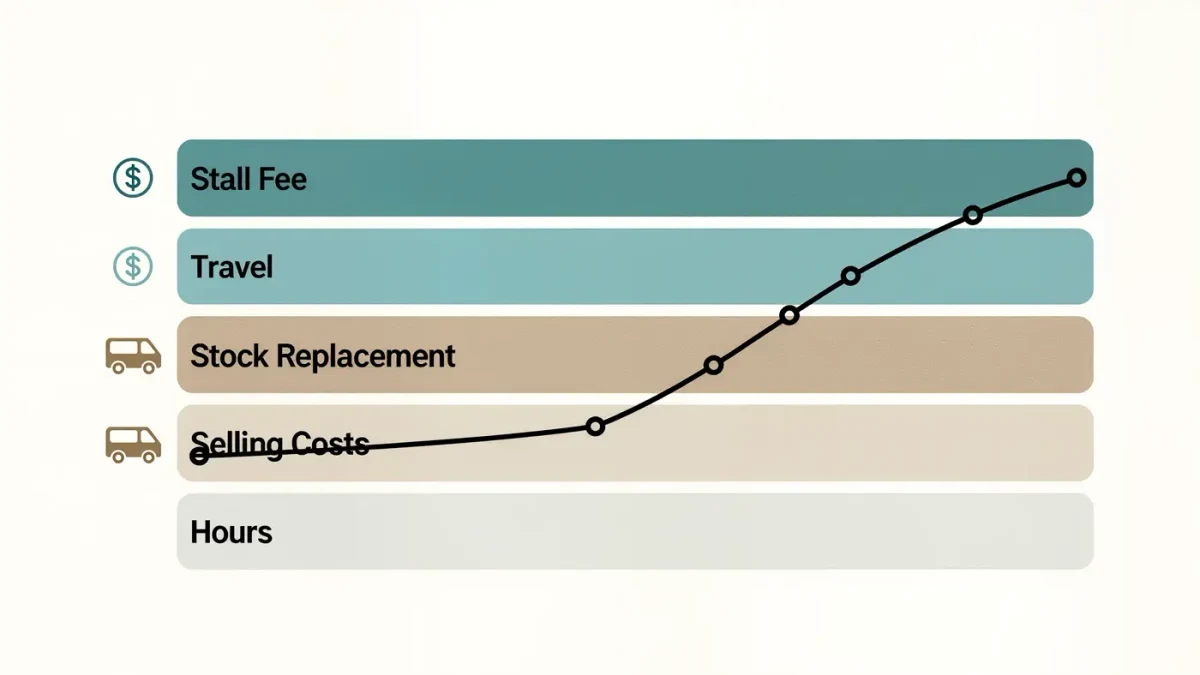
The stall fee is the smallest number on the page — travel, stock, card fees and your own hours decide whether a fair made or lost money.

Listing fees, transaction fees, payment processing and the advertising levy that catches every seller — here is how Etsy's charges stack up, and how makers price around them.
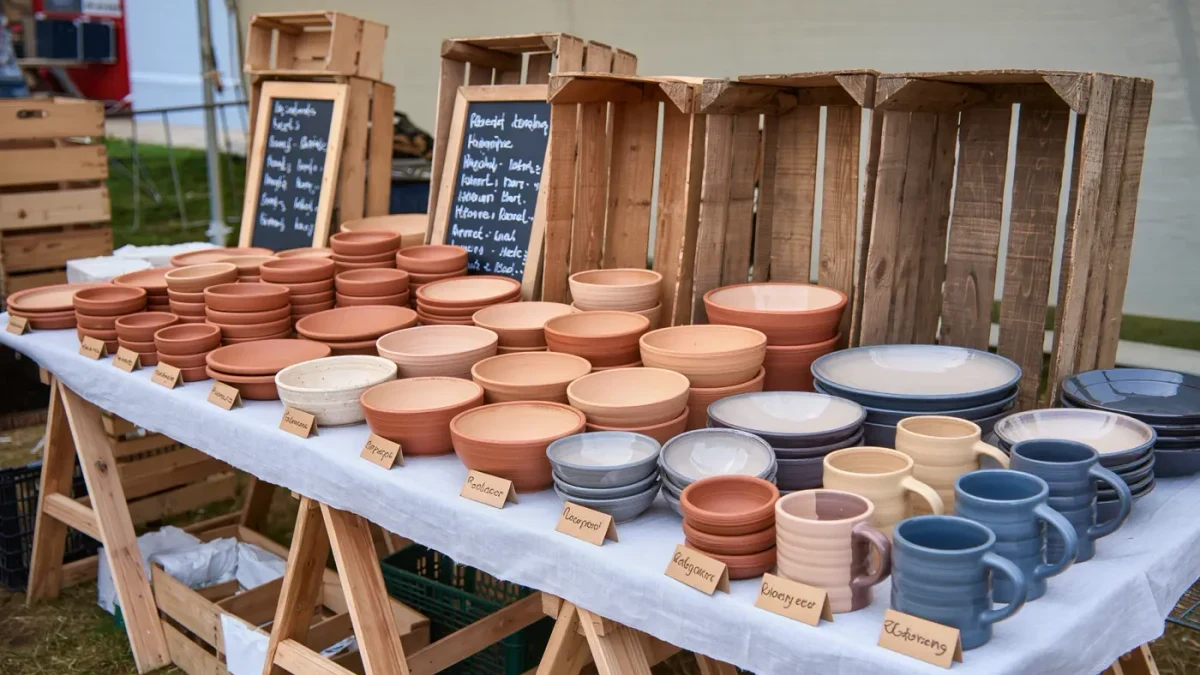
Pricing handmade work starts with the uncomfortable arithmetic of hours, materials and the UK's minimum wage floor — and a formula you can actually defend.