Crafts News
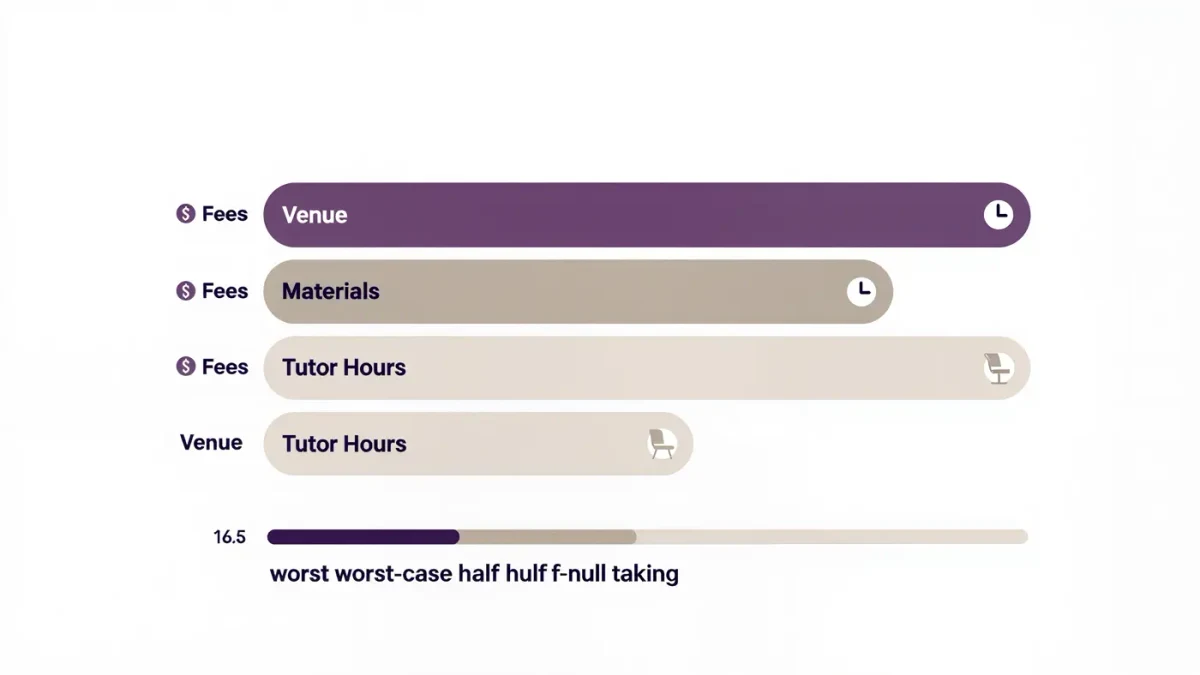
Teaching Craft Classes Pays When the Arithmetic Is Honest
Workshop income looks like easy money until you price the prep hours, the hall hire and the half who book but do not come — here is the real economics of teaching what you make.
The news file for makers: fair schedules and application deadlines, supplier and material discontinuations, price rises, studio and workshop openings, grant rounds and marketplace policy changes. Entries stay brief and dated, with the source linked. For anyone whose making calendar depends on hearing about a change early.
Workshop income looks like easy money until you price the prep hours, the hall hire and the half who book but do not come — here is the real economics of teaching what you make.
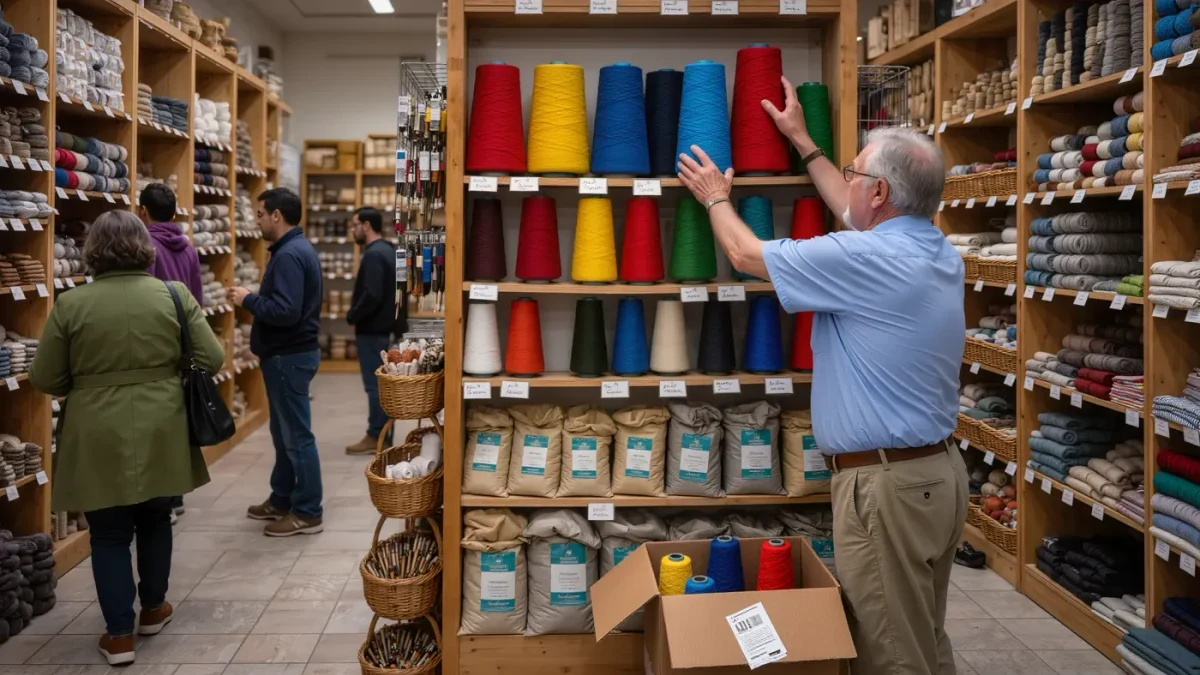
Clay, wool, timber and the electricity that fires a kiln have all climbed since 2021; the makers coping best treat materials as a managed cost, not a fixed one.

The Seoul-based ceramicist took the craft world's richest prize in Singapore on 12 May, as the LOEWE Foundation's exhibition of thirty finalists opened at the National Gallery Singapore.
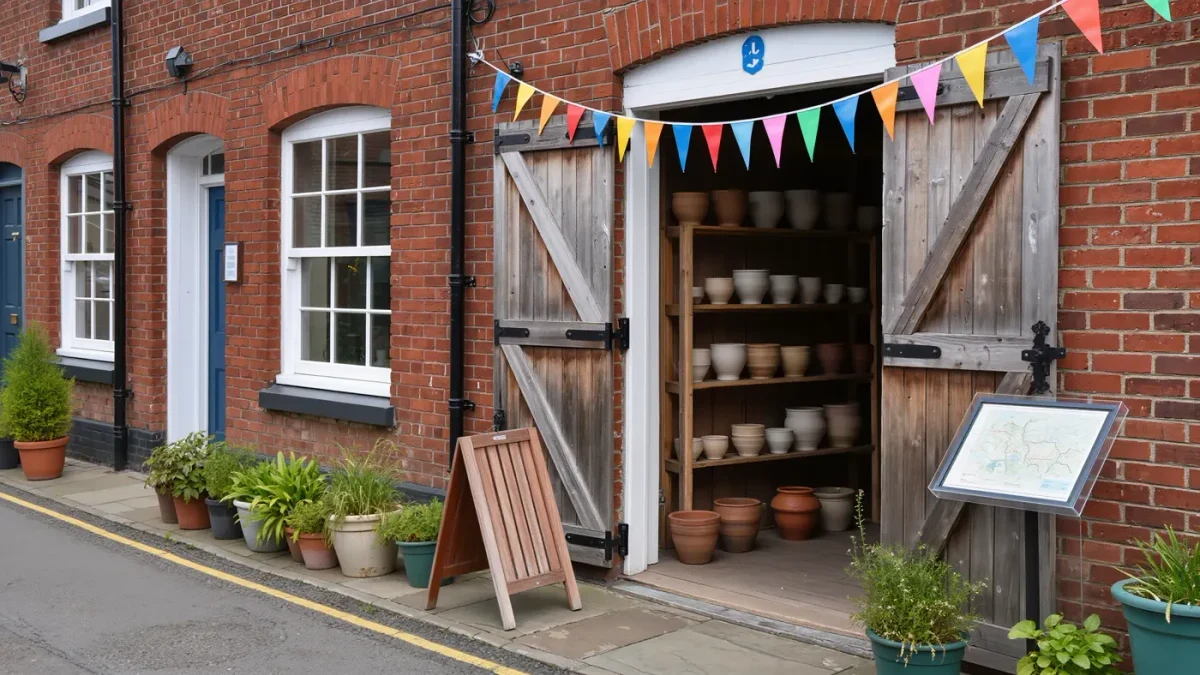
One weekend a year, makers unlock their doors, print a map and let buyers walk through the workspace — here is how UK open studio events work and how to take part well.
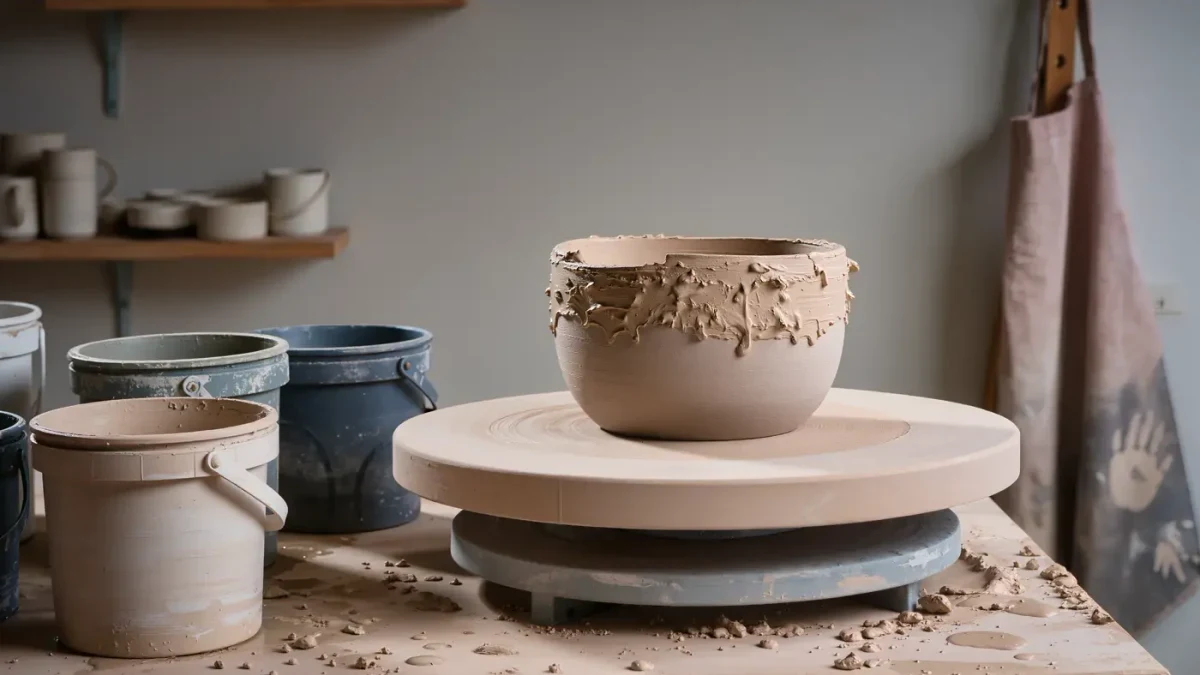
From kitchen table to shared bench to a unit of your own: studio costs in the UK are driven by region, light and access hours — and by one line of business rates relief worth knowing.
Britain's two main craft-funding routes — the Queen Elizabeth Scholarship Trust and Heritage Crafts bursaries — pay for training rather than studios, and both reward a plan more than a portfolio.
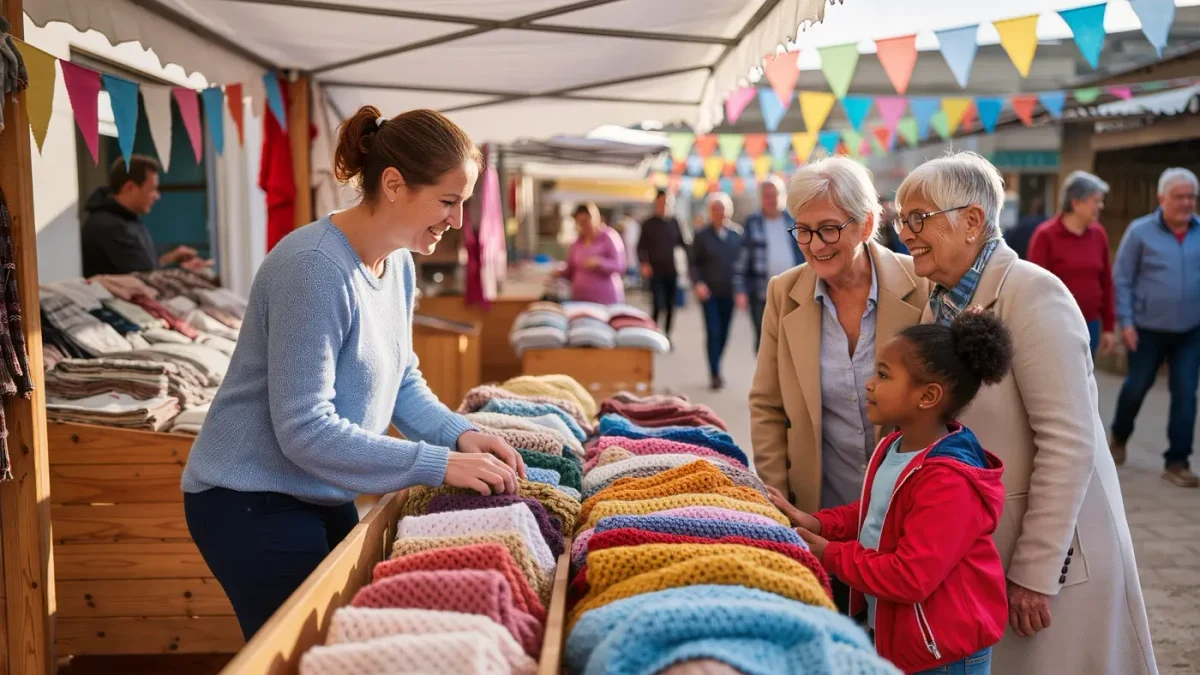
Craft fair applications are won months before the event — with honest photographs, a coherent price range and a clear answer to the one question organisers actually ask: will this stall look good?
Siobhán McSweeney, Keith Brymer Jones and Rich Miller are back as series nine of The Great Pottery Throw Down fills Sunday evenings with kilns, tears and improbable teapots.
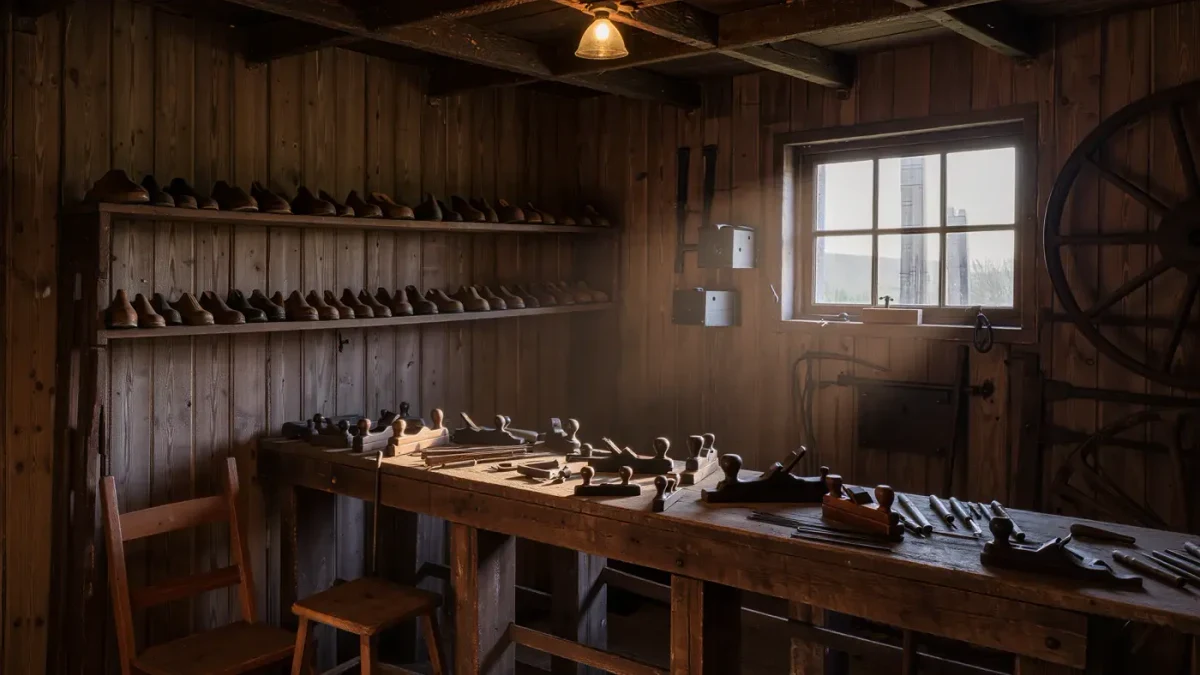
Heritage Crafts' Red List grades British craft skills by the number of practitioners left — and its categories have quietly changed how craft decline is discussed, funded and reversed.

The Crafts Council's January 2026 policy brief asks the country to treat its valued crafts, customs and celebrations as something worth protecting for future generations.