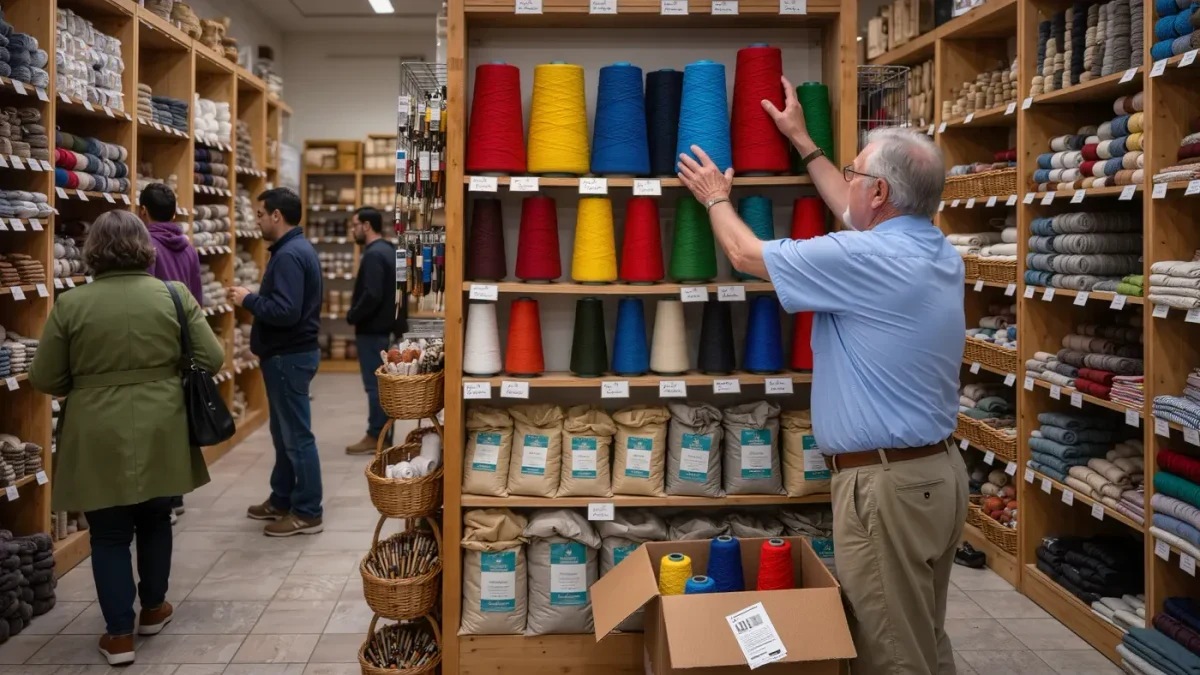
The price tag on a bag of clay or a skein of wool has been quietly rewritten every year since 2021, and makers have noticed in the place it hurts first — the cost of everything made before breakfast. Supply inflation in craft materials is not one story but several: energy, freight, raw material supply and currency have each taken turns pushing, and understanding which force is behind a particular rise tells you whether to absorb it, pass it on or change material. Here is the anatomy of the increase, and the working answers studios have found.
What is actually driving craft supply prices up?
Energy comes first, and not only for kilns. Firing a kiln is the most energy-intensive act in most studios, and UK electricity and gas prices rose steeply from 2022, taking the cost of every firing with them. But energy also sits behind the materials themselves: clay is dug, processed and dried; glass is melted; wool is scoured and dyed — every stage burns power, and producers pass those costs along the chain.
Freight is the second force. The pandemic years container-shipping costs to historic highs in 2021, and while they fell back, the lesson stuck: imported materials — Japanese washi, Indian block-printing dyes, Chinese porcelain tools — now carry volatile shipping costs rather than stable ones. Raw material supply adds a third: wool prices track global fibre markets, timber prices track milling output and housing demand, and mining output moves metal. Finally, currency: a weaker pound raises the sterling price of everything imported, from silk to silver.
How are makers responding?
- Batch discipline — full kiln loads only, shared firings with neighbouring studios, and test tiles fired in the gaps of real firings rather than alone.
- Buying in cooperative bulk — studios splitting sacks of clay and full fleeces to reach wholesale tiers, an arrangement wool groups have long practised.
- Substitution where the craft allows — a stoneware body that fires a cone lower, a UK-mined clay in place of an imported body, a different wax for batik.
- Waste streams taken seriously — offcuts, failed firings reworked as aggregate, and pattern layouts that treat every square centimetre as spendable money.
- Price reviews on a fixed schedule — the annual or twice-yearly recompute, so rising input costs meet rising prices before losses mount.
The studios struggling hardest tend to share one habit: prices set years ago and never revisited, a trap reporting on living costs has documented far beyond the craft world. The ones coping best treat materials as a managed budget line — tracked per batch, reviewed per season, substituted when the numbers say so.
None of this is new economics; it is the oldest economics of making, in which the maker owns the arithmetic. The past few years simply removed the option of ignoring it.