Skip to content
Thursday, September 3, 2026
Little Birdie StudioCRAFTS & ILLUSTRATION
Objects · Exhibitions · Books · Ideas
Crafts News

Crafts Council Opens 2026 With a Call to Safeguard Britain's Living Craft Traditions

The Crafts Council's January 2026 policy brief asks the country to treat its valued crafts, customs and celebrations as something worth protecting for future generations.

By Ruth Kaplan · January 22, 2026 · 2 min read
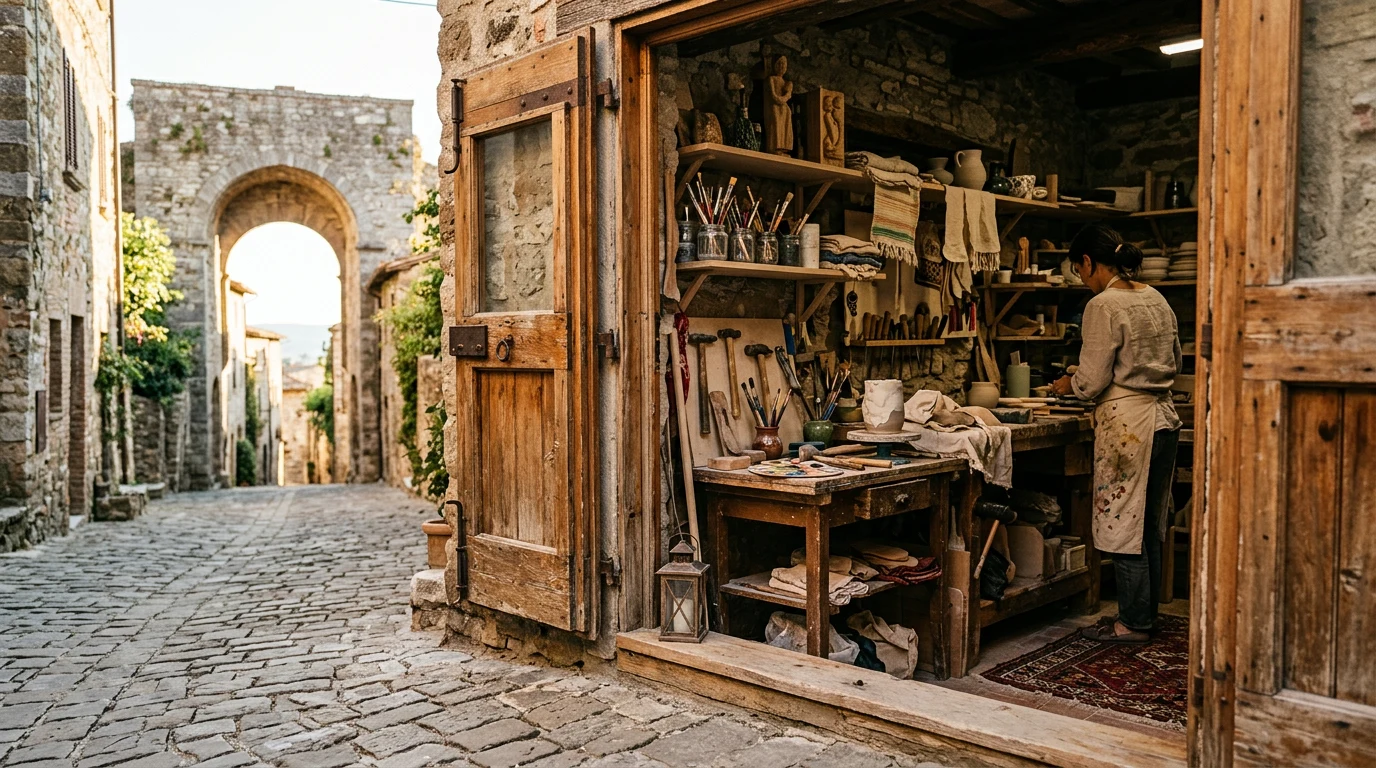
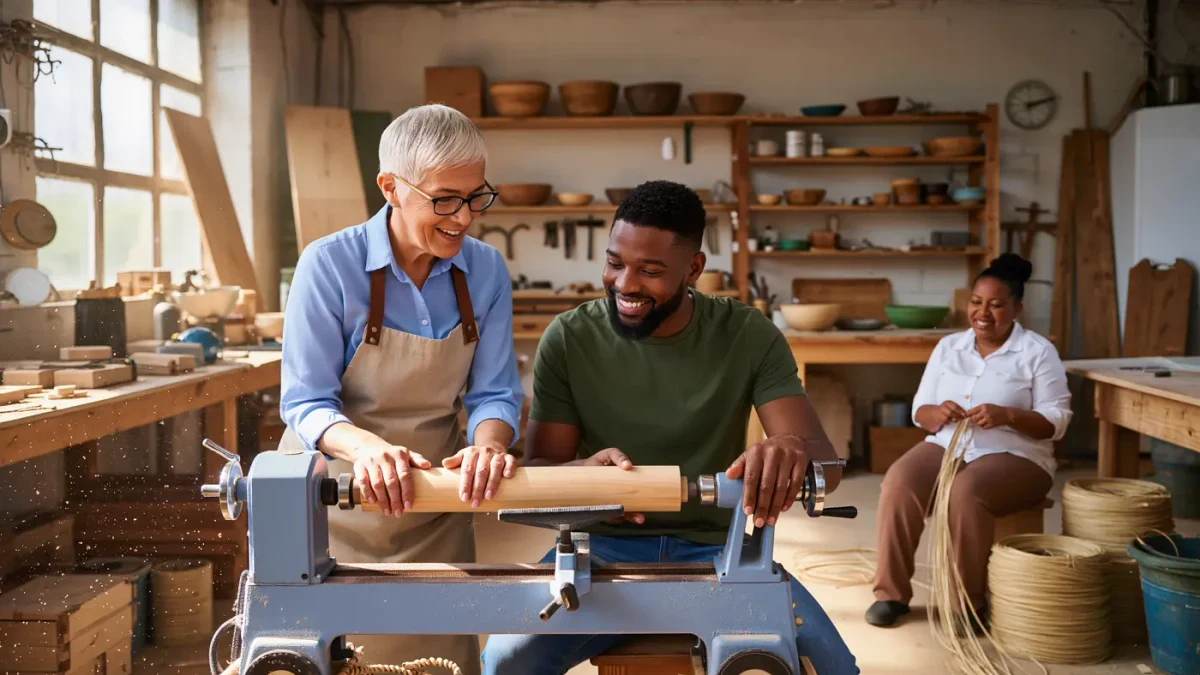
Makers of different generations working together in a community craft workshop
AI-generated photorealistic reconstruction — not a documentary photograph.

The Crafts Council has opened 2026 with a policy brief that tries to start a national conversation about the crafts, customs and celebrations Britain values — and how to safeguard them for future generations. Published in January 2026 on the Crafts Council's insight and advocacy pages, the brief is a policy-world document with workshop-world consequences: it argues that living craft traditions deserve the same deliberate protection that buildings and museum collections already receive.

For makers, the brief lands at a moment when the machinery around intangible cultural heritage has been warming up in the UK. The Crafts Council frames making as knowledge held in hands and passed between people, the kind of inheritance that disappears quietly when a workshop closes and no apprentice is waiting. Its January brief invites the public and policymakers to name which traditions matter — from rush basketry to carnival costume-making — and to treat that naming as the first step in safeguarding.

The organisation's advocacy has a practical record: its policy work feeds into funding arguments, education campaigns and the case for craft in government statistics on the creative economy. A national conversation about valued traditions, if it takes hold, shapes what funders count as worth supporting — bursaries, apprenticeships and community workshop budgets among them.

Related stories: Craft Funding Explained: How QEST Scholarships and Heritage Crafts Bursaries Work · Jongjin Park's Paper-and-Porcelain Strata Win the LOEWE Craft Prize 2026.

Reading the brief costs nothing and takes ten minutes, and it is aimed squarely at readers beyond Westminster, an approach to craft advocacy coverage of Britain's traditional crafts has mirrored in recent years. Makers who want their tradition counted can respond to the conversation the brief invites — the safeguarding it argues for begins with someone writing in.

Frequently Asked Questions

What is the Crafts Council's January 2026 policy brief about?
The brief, published in January 2026, calls for a national conversation about the crafts, customs and celebrations Britain values, arguing they should be safeguarded for future generations. It treats living craft traditions as knowledge held in hands and passed between people, needing deliberate protection.
Why does a policy brief matter to ordinary makers?
Crafts Council advocacy shapes what funders and policymakers treat as worth supporting — bursaries, apprenticeships and community workshop budgets among them. Naming which traditions matter is the first step the brief proposes toward practical safeguarding and funding.
Can makers take part in the conversation?
Yes. The brief explicitly invites the public and policymakers to respond and name the traditions they value, from rush basketry to carnival costume-making. Makers who want their tradition counted can contribute through the Crafts Council's insight and advocacy channels.

Sources

  1. January 2026 policy brief content and aimsCrafts Council policy brief, January 2026, craftscouncil.org.uk