Open studios are the inverse of the craft fair. Instead of carrying your work to a hall, you invite the public into the place it was made — and the studio itself does half the selling. Across the UK, from county-wide art trails to single-building events, groups of makers open on the same weekends, print a shared map and split the marketing. For buyers it is a rare chance to see the wheel, the loom or the press at work; for makers it is the lowest-cost selling weekend of the calendar, and the one that produces the warmest customers. Here is how the format works and how to join it well.
How does an open studios event actually function?
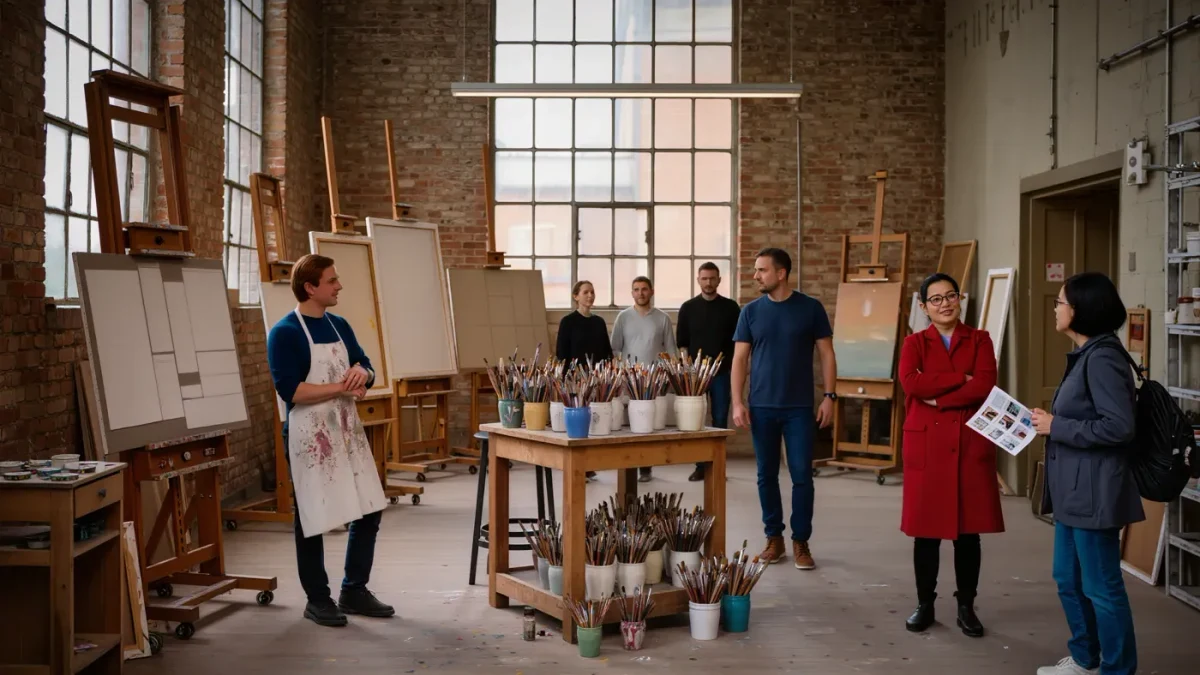
The unit of organisation is the trail or the building. A trail covers a town or county: makers appear as numbered stops on a printed and online map, and visitors plan a route between studios. Buildings work the same way vertically — a converted mill or warehouse opens every studio door on the same weekend. The group shares costs: the map, signage, advertising and sometimes a joint private view. Participating makers pay a modest fee — commonly tens rather than hundreds of pounds — plus their own refreshments and stock, and most trails ask that you demonstrate or display work in progress, because the making is the draw. Many events run across two weekends a year, most often in early summer or late autumn, timed away from the Christmas-fair crush, an approach maker-community coverage notes whenever a trail's numbers rise.
How do you get on the trail?
Apply to the organiser, usually months before the event — trails announce calls through their websites, local authority arts teams and maker networks. Applications typically want photographs of your work and your studio space, proof that the space is safe for visitors (clear walkways, no unattended hazards), and public liability insurance, the same cover most fairs already require. If your studio is a spare room or a kitchen, apply anyway: many trails group home studios or pair you with a host studio, and some makers share a friend's space for the weekend.
What makes an open studio weekend work?
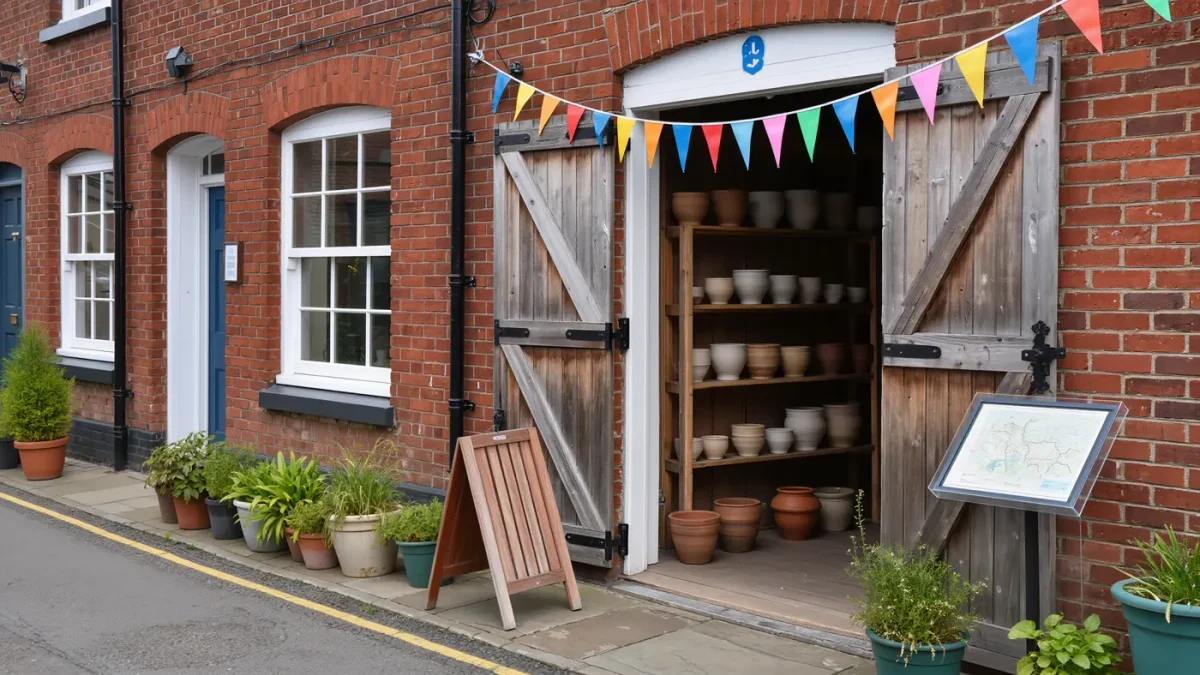
- Clear signage from the road — balloons, banners, the trail's official sign — because lost visitors drive home.
- Work in progress on the bench, and you at it for at least part of each day; the demonstration is the difference from a shop.
- A visible price list across a real range, from cards to statement pieces, so nobody has to ask twice.
- A card reader, plenty of change, wrapping materials and a simple mailing-list sheet by the door.
- A second pair of hands for the rush hours, so selling and demonstrating can happen at once.
The economics reward preparation. With no stall fee beyond the trail contribution and no travel, a decent weekend covers its costs many times over — but the deeper return is the customer who watched a bowl rise on the wheel and now tells the story of it at every dinner party they host. In craft, the story is the product; open studios simply let people walk into it.