Somewhere between the first mug sold to a friend and the third craft fair of the season, a hobby quietly becomes a business in the eyes of HM Revenue and Customs — and the maker involved usually finds out late. The rules are less frightening than the folklore: a small number of thresholds, one deadline that matters, and a record-keeping habit that takes minutes a week. This is the plain-language version, current to the 2025-26 tax year; it is information, not tax advice, and a genuinely complicated situation deserves an accountant.
What is the £1,000 trading allowance?
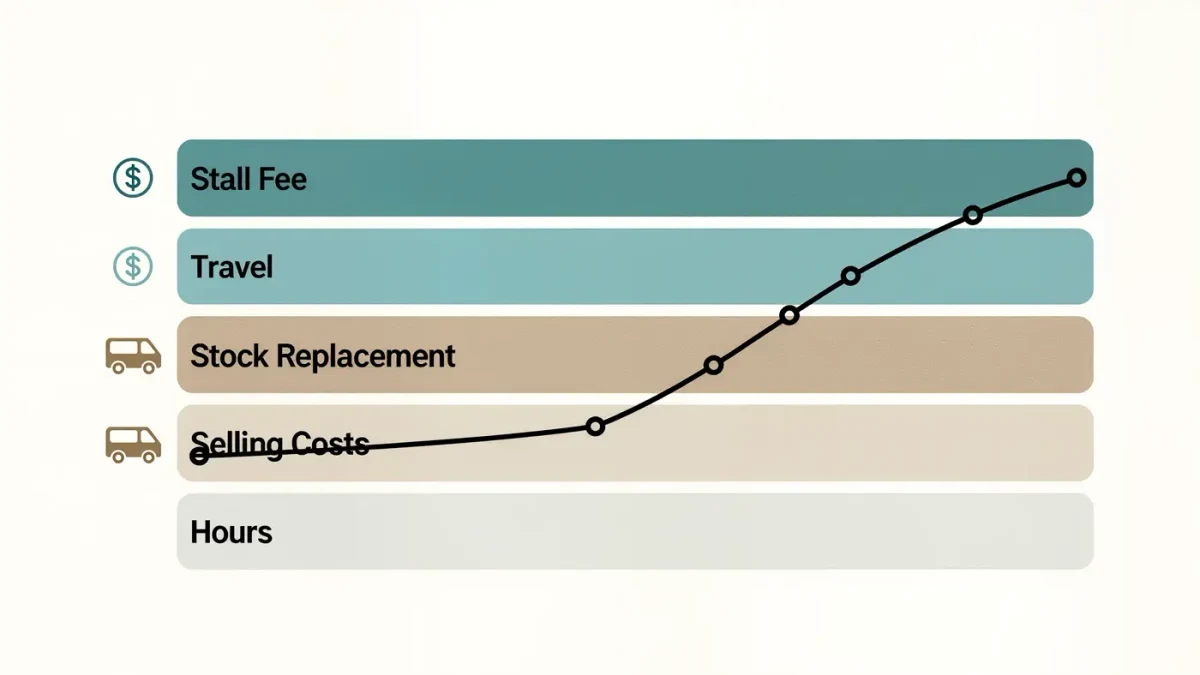
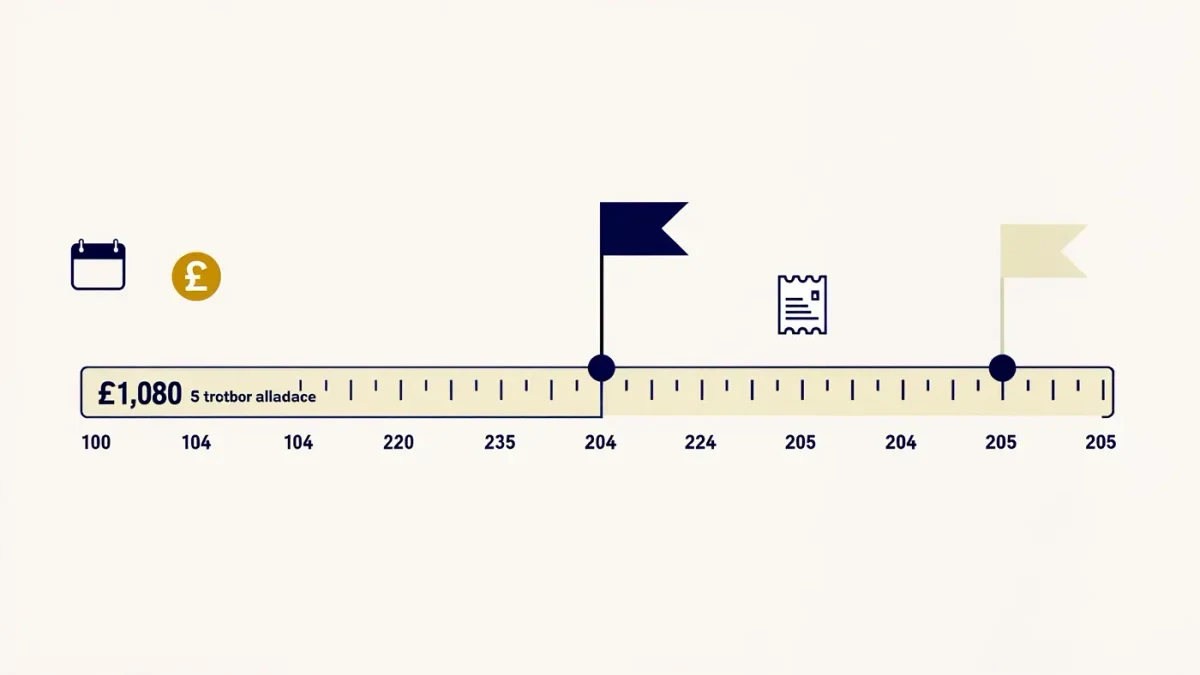
Every UK individual can earn up to £1,000 a year from occasional trading — selling crafts included — without telling HMRC or registering for anything, per the government's trading allowance guidance. Below the threshold, the income is simply tax-free. The moment gross trading income — takings, not profit — exceeds £1,000 in a tax year, two things change: registration becomes due, and the choice arises of claiming the £1,000 allowance as flat expenses or deducting real costs instead. For makers buying clay, wool and kiln electricity, real costs usually beat the flat allowance, which is why the choice matters.
When do you have to register — and by when?
Registration for self-assessment as a sole trader is due by the 5 October following the end of the tax year in which your trading began or your income crossed the threshold. Cross £1,000 in, say, the 2025-26 tax year and HMRC expects you registered by 5 October 2026, with the first tax return covering that year due the following January. Registering is free and done online through GOV.UK; a Unique Taxpayer Reference arrives by post, and thereafter returns are filed annually — by 31 January for online filings, with payments on account in January and July for many new traders.
What records does a maker actually need?
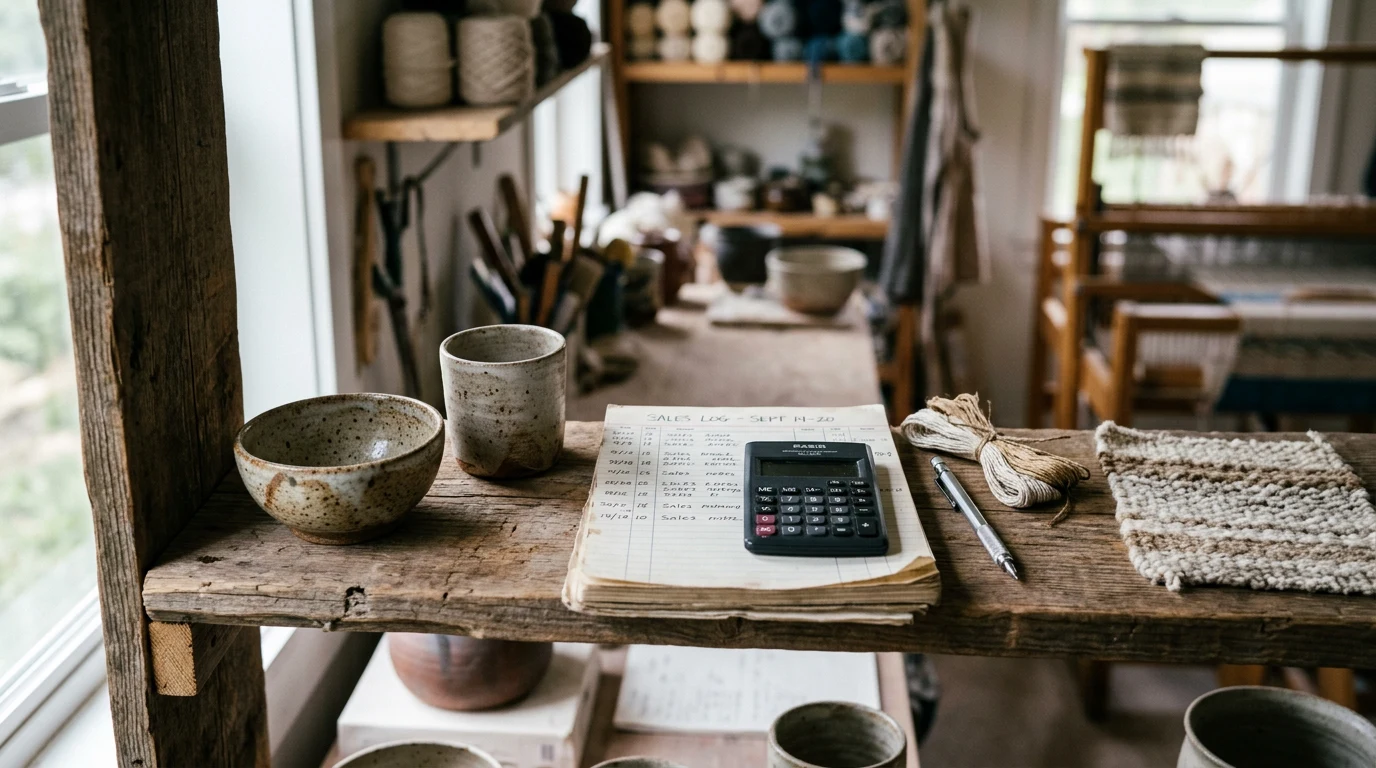
- A log of takings — date, amount, channel: fair, shop, online marketplace.
- Receipts and invoices for materials, tools, studio costs, fees, postage and insurance.
- Mileage or travel records for fairs and stockists.
- A separate bank account, even a basic one, so trading money stops hiding among groceries.
The discipline is duller than the making and more valuable than it looks: the same records price your work honestly, fill in grant applications convincingly and turn January from an archaeology project into an afternoon.
What else changes as the business grows?
Two signposts matter as turnover climbs. National Insurance contributions apply to self-employment profits above small thresholds, collected through self-assessment. And if taxable turnover approaches £90,000, VAT registration becomes mandatory — a change significant enough to deserve its own planning rather than a paragraph here. Between those poles, most maker businesses run happily as sole traders, with business bank accounts, simple software and, at the point where the numbers stop being simple, an accountant who likes creative businesses — money well spent precisely once a year.