The pencil marks on a print's lower edge are a contract. The fraction — 7/50, say — promises the buyer that this impression is one of fifty, that the plate, block or screen was retired, and that no more will appear. Everything about selling editions follows from keeping that promise: the numbering, the edition size chosen, the price ladder built on it, and the records that prove it years later. Here is how printmakers who sell well put an edition together.
How does print numbering actually work?
The convention is stable across lithography, etching, screen print, linocut and digital editions. Below the image, usually in pencil on the left, sits the impression number over the edition size — 7/50. On the right, the title and the artist's signature. Around the numbered edition sit the exceptions, marked with initials: AP for artist's proofs, traditionally up to about ten per cent of the edition and the artist's own; PP for printer's proofs, courtesy of the press; HC — hors commerce — kept from sale, often for archives or gifts; and BAT — bon à tirer, the approved reference impression the edition is matched to. The edition proper is printed once, in one campaign, and the matrix is then cancelled — scratched, defaced or archived with proof — so the promise of finitude holds.
How do you choose an edition size?
Match the size to demand you can evidence, not demand you hope for. A smaller edition supports a higher price and suits work from a hand-cut block, where every impression is pulled by hand; a larger edition suits screen print runs where the set-up cost is amortised across more impressions. Established practice runs from micro-editions of ten or fewer to open editions — unnumbered, cheaper, sold indefinitely — for greeting-card-scale output. The mistake to avoid is shrinking an edition after it has sold slowly and reissuing the image: the second promise cannot be made to the first set of buyers, a principle collections from museum print rooms to open-access study collections document impression by impression.
How does pricing work across an edition?
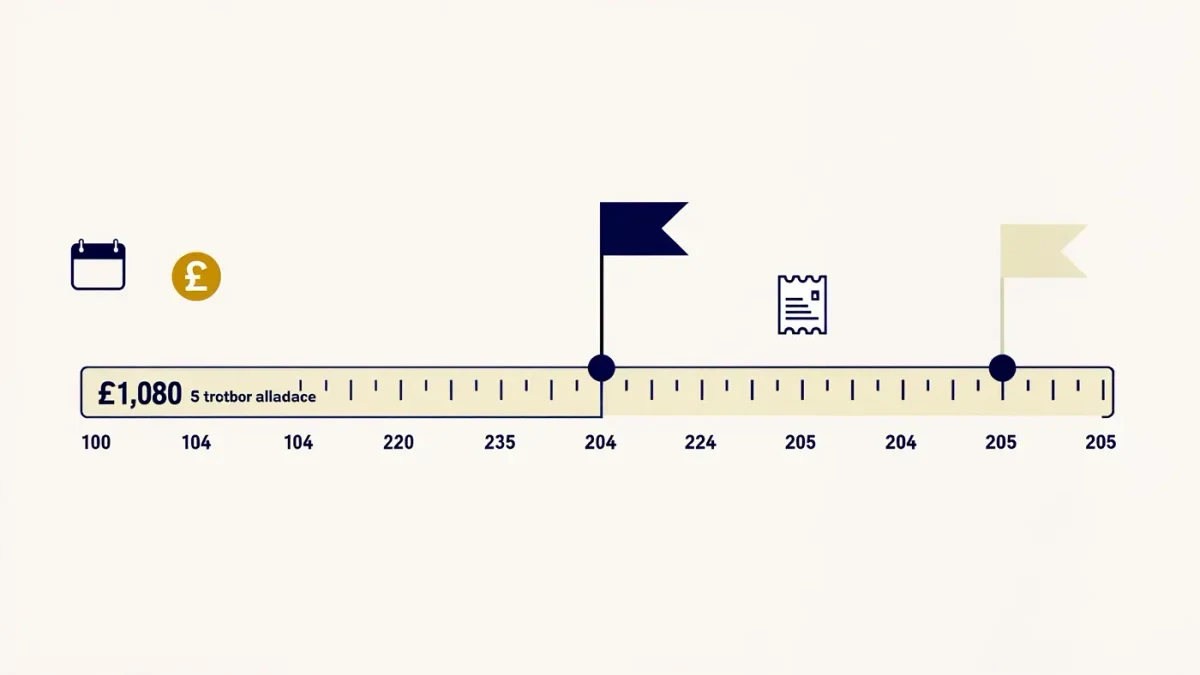
The ladder is oldest practice and still the soundest: price rises as the edition sells, because the remaining impressions get scarcer. A common pattern holds the first third at the opening price, raises the middle third, and prices the final third at or near the top — published plainly on the listing, so buyers understand that waiting has a cost. Artist's proofs, being few, sit at or above the edition's top price. Open editions and smaller formats price at entry level, doing the work of letting a new buyer start collecting you.
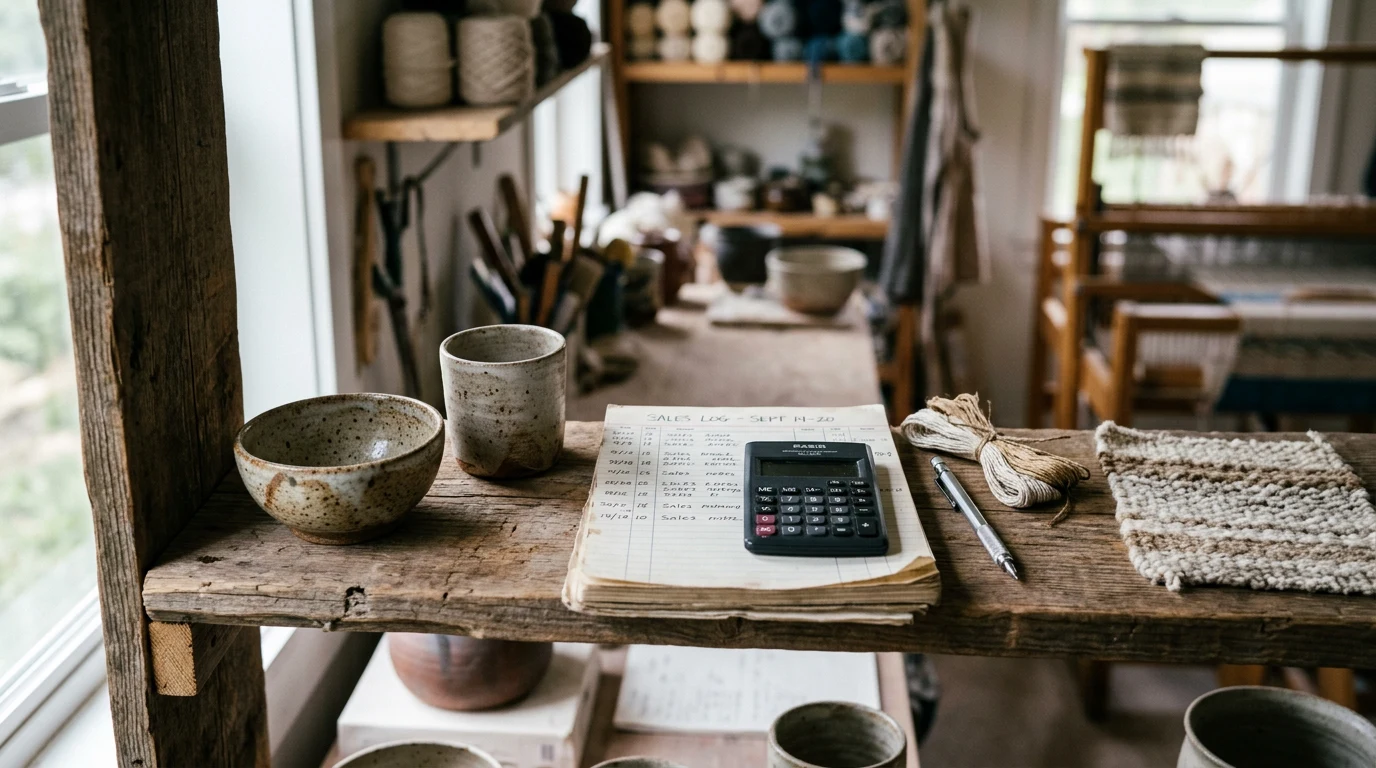
The final piece is documentation: a simple record of every impression — number, buyer, date, price — kept with the cancelled matrix or the file. Editions outlive studio moves and memory, and the record is what lets a printmaker answer, twenty years on, which impression went where: the quiet backbone of the whole pencil-written contract.