Design
Why pattern designers build whole families of colourways
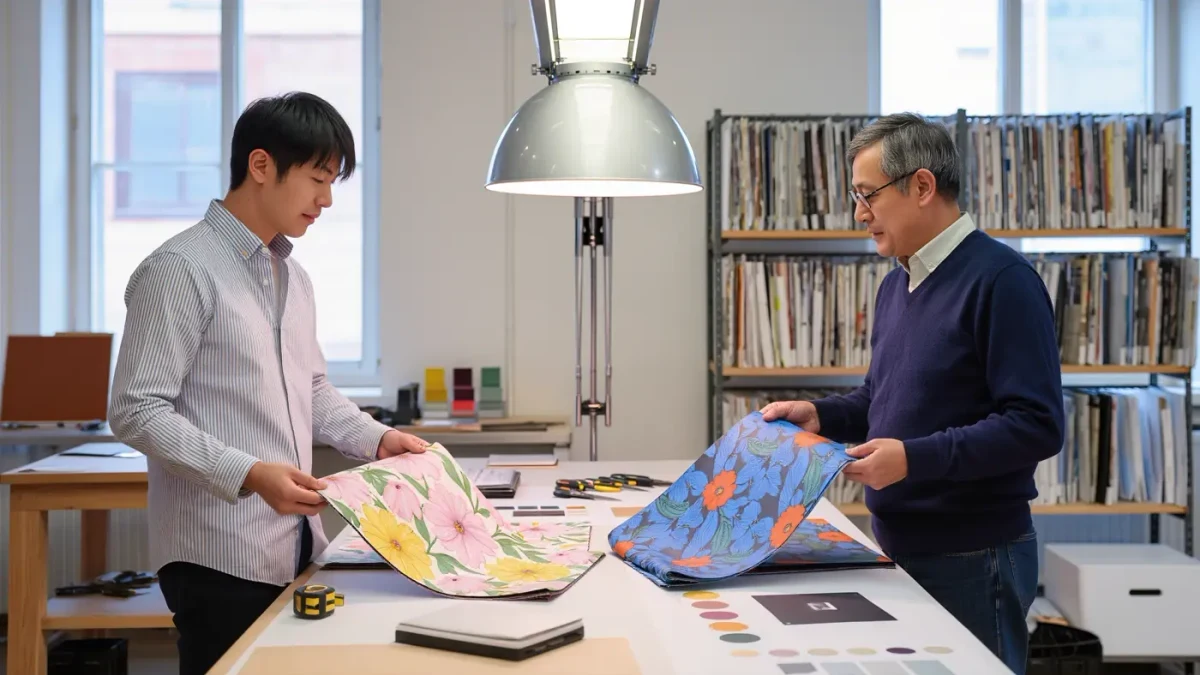
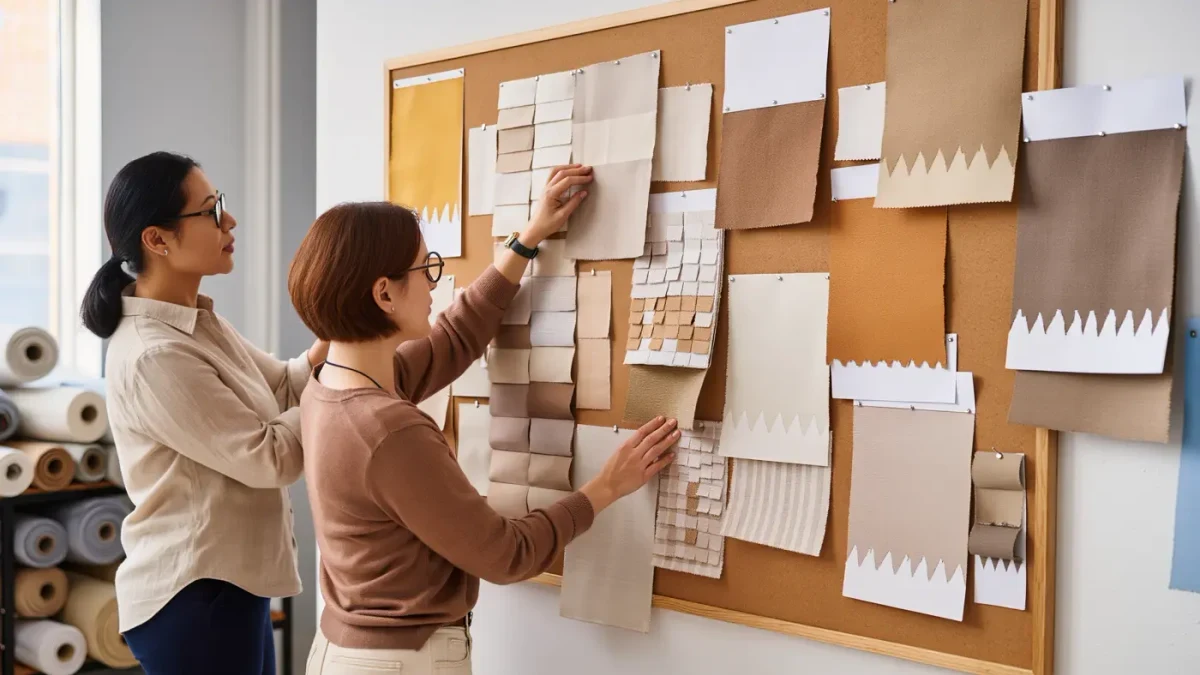
A colourway is the same pattern printed in a different palette, and studios build them in deliberate families so one good drawing can serve many rooms, wardrobes and seasons.
The design thinking behind handmade work: composition, proportion, palette behavior under different light, pattern repeats, typography on packaging and the small layout choices that make an object look resolved. Explained with examples rather than rules. For makers who can build but want stronger decisions.
The design thinking behind handmade work: composition, proportion, palette behavior under different light, pattern repeats, typography on packaging and the small layout choices that make an object look resolved. Explained with examples rather than rules. For makers who can build but want stronger decisions.
A colourway is the same pattern printed in a different palette, and studios build them in deliberate families so one good drawing can serve many rooms, wardrobes and seasons.
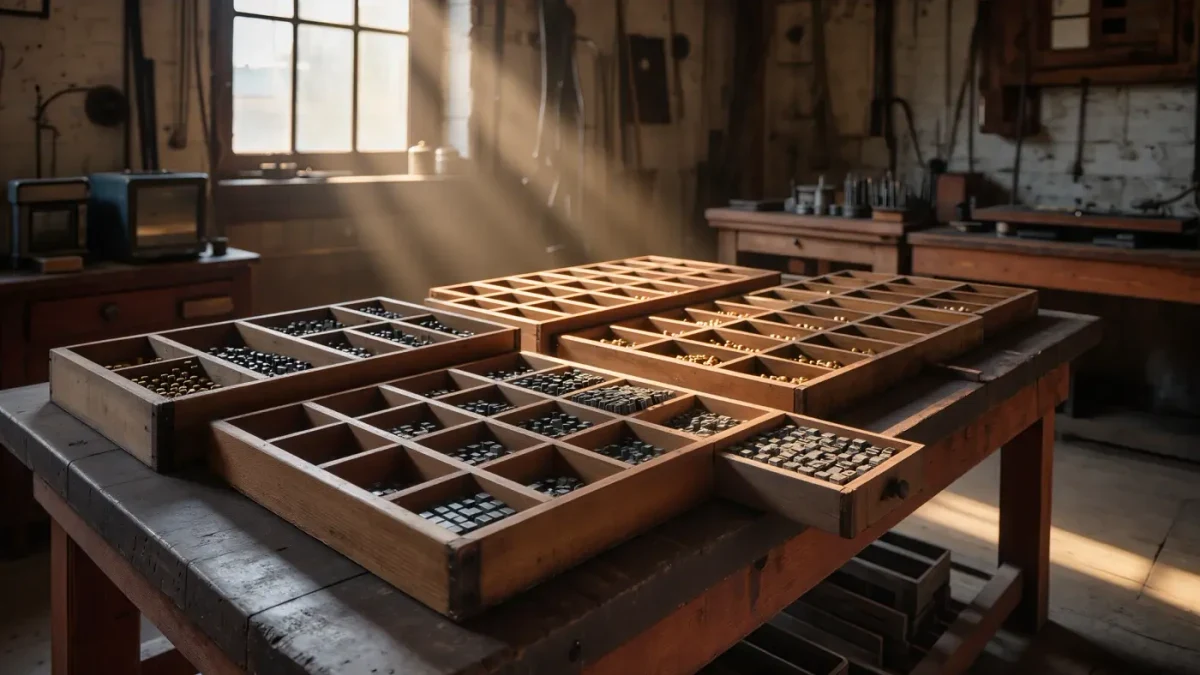
Every letterform carries dozens of named parts — bowls, counters, terminals, spurs — and each one is a quiet decision a type designer has already made on the reader's behalf.
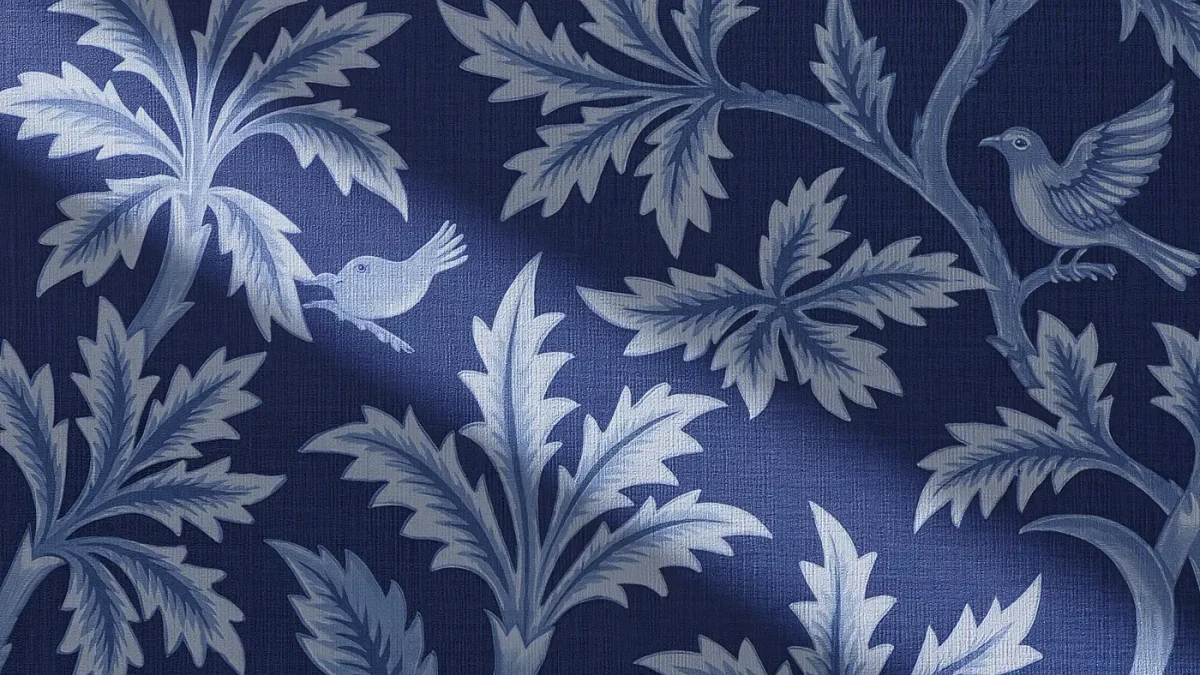
William Morris printed his first wallpaper in 1864, and the rules he set for pattern — visible structure, honest materials, nature disciplined by order — still quietly govern how British designers build repeats today.
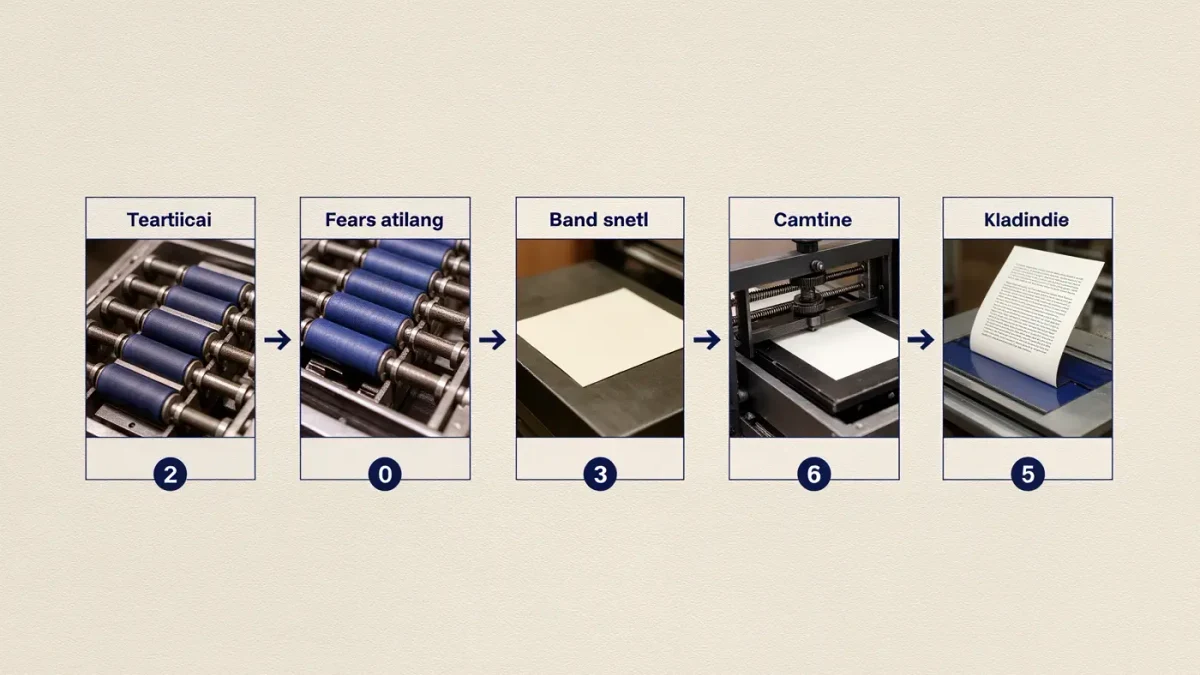
Letterpress is a five-hundred-year-old relief printing process that faster machines were meant to finish off, yet British studios keep inking type by hand for the depth, texture and deliberateness it leaves on a page.
A pattern repeat is the small tiled unit behind every printed cloth and wallpaper, and the layout it uses — full-drop, half-drop or tossed — quietly sets the mood of the whole surface.