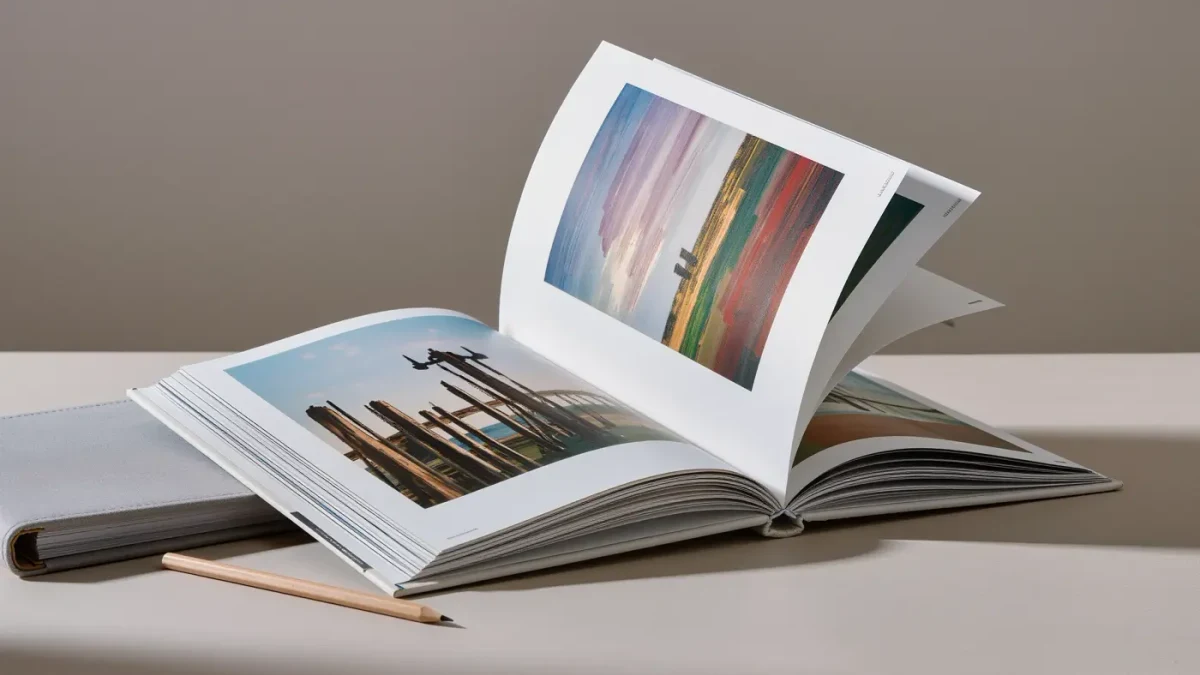
A working illustrator portfolio is small, sequenced and ruthlessly edited, while a drawer of favourites is simply everything its owner happens to like. The difference is intent: a portfolio exists to win a specific kind of commission, and each piece is selected as evidence that the illustrator can deliver it. The Association of Illustrators, the British membership body founded in 1973, has spent decades teaching exactly this discipline — curate, sequence, cut.
What do commissioners actually look at first?
An art director facing a shortlist moves quickly, so the first pieces carry the greatest weight. Working illustrators lead with the single strongest, most representative image and then hold that standard to the last page. What is being assessed is not only craft but category: does this person make the kind of work this client publishes, at the quality this client prints? A portfolio that opens with an assured piece in the right genre survives the first pass; one that opens with experiments forces the assessor to hunt for the point, and assessors rarely have the time to hunt. Confidence in the opening image is read, fairly or not, as confidence in the working relationship. The same logic governs the digital portfolio: the landing view does the work of a gallery's entrance wall, and anything that delays the first strong image — splash pages, intro animations, sideways navigation — taxes the goodwill of exactly the person the site exists to persuade.
Why does a smaller selection outperform a larger one?
Editing is itself a visible skill. Any portfolio is judged by its weakest image, because commissioners reason forwards from the floor rather than the ceiling: the weakest piece is the level that may arrive on deadline day. A tightly edited selection of a dozen pieces reads like an exhibition with a thesis; forty pieces read like storage. Favourites with sentimental value — the graduation project, the first sale, the drawing that took three weeks — usually fail this test, which is exactly why they stay in the drawer where they belong. The paradox comforts every illustrator who learns it: showing less work shows more judgement, and judgement is what clients are hiring.
How does sequence change the way a portfolio reads?
Order is composition at the scale of the whole book. A strong opener sets the register; alternating calm and dense images keeps the eye moving without exhausting it; the final image is the one the viewer leaves with, so it should echo the opener's confidence rather than fade away. Printed portfolios add tactile arguments that screens flatten — paper weight, binding, scale, the smell of good ink — and many illustrators produce small runs of printed books precisely because a memorable object outlasts a browser tab. The habit of designing the sequence rather than accumulating pages is what separates a portfolio from a pile.
What role do personal projects play?
Self-initiated work is where an illustrator's actual voice lives, unshaped by anyone else's brief, and commissioners hire that voice as much as the technique. Zines, reportage sketchbooks, a picture book dummy, a self-set series of gig posters — these demonstrate sustained thinking and the ability to finish things without external pressure, and many careers pivot on them. Arts desks have noticed the same pattern: features on illustrators and their self-initiated series appear regularly at BBC Culture, and being the subject of such coverage is a recognised route into a commission queue. The working rule is simple — if you want a certain kind of job and nobody has offered one yet, invent it for yourself and put the results where commissioners can see them.
Should a portfolio show one style or several?
Coherence generally wins. A single recognisable approach reads as confidence and makes an illustrator easy to brief and easy to champion inside a client's building. Multiple styles can work when each is genuinely mastered and clearly grouped, but a spread of half-styles suggests a search rather than an offer, and assessors cannot tell which artist they would be hiring. Many working illustrators keep separate targeted portfolios — one for children's publishing, one for editorial, one for packaging — each edited to that market's evidence, so the style question never has to be answered by the viewer.
How often should a portfolio change?
A steady rhythm beats a grand redesign. Working illustrators add pieces as the stronger work exists, retire older ones without sentiment, and re-photograph or re-scan when reproduction improves. The archive still exists — it is simply no longer the shop window. A review twice a year, timed before the quieter weeks when art directors actually browse, is enough to keep the portfolio honest without turning maintenance into a full-time job. A useful habit is to retire one piece whenever a new one enters, which forces the selection to argue its case afresh each time it grows.
What does a portfolio need besides the pictures?
The supporting material decides whether admiration converts into an email. A short biography states specialism in plain words; captions name the client, the use and the year, because commissioned work proves something personal work cannot; contact details sit where they cannot be missed. Illustrators seeking children's publishing work include a dummy or spread sequences, since editors buy narrative pacing, not single images. Nothing in the wrapper should demand more than a minute of attention, because the portfolio's one real job is to make the next step effortless.